Year
2019
Theme
Research Thesis
Category
Research Analysis
Introduction
Reinterpreting the City Through Its Multiple Urban Models
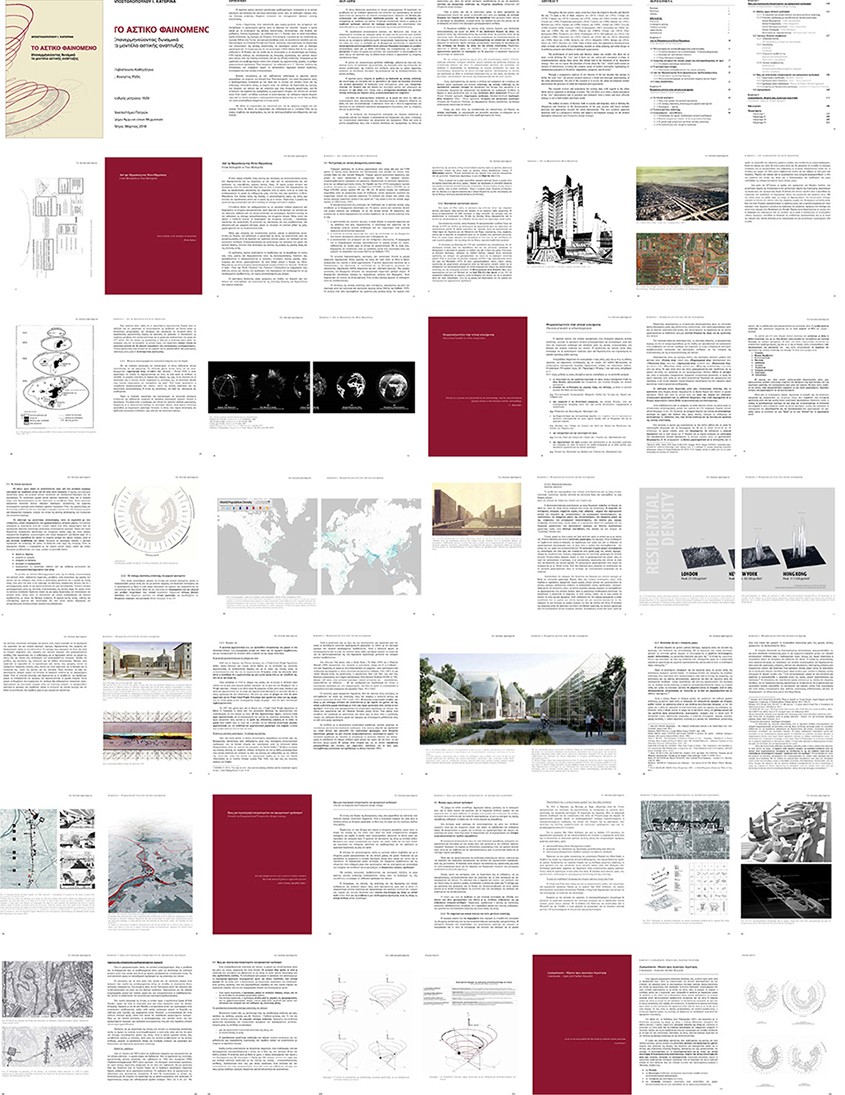
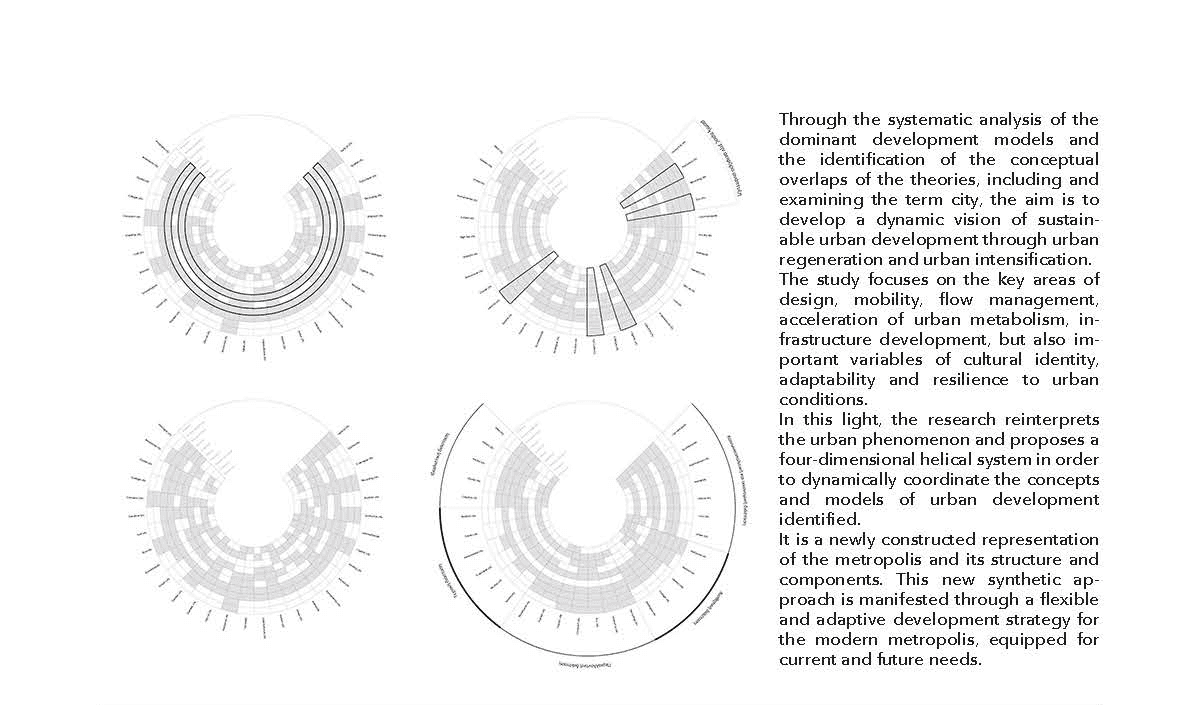
How can we understand the proliferation of terms describing the “city” while revealing the complex nature of the modern metropolis and its fundamental principles of flexibility, adaptability, prosperity, and diversity? Throughout the last century, many terms have been developed to describe and identify the city. To name a few of them: Adaptive city (2013), Cluster city (1953), Collage city (1978), Compact city (1973), Conscious city (1974), Linear city (1882), Livable city (2016), Fractal city (1994), Fragmented metropolis (2014), Creative city (1994), Radiant city (1931), Resilient city (2013), Garden city (1898), Generic city (1995) , Global city (1991), Eco-city (1990), Ecopolis (2006), Ecstacity (1992), Ecumenopolis (1967), Networked city (2003), No-stop city (1969), Pig city (2001), Plug-in city (1960’s), Porous city (2013), Post-metropolis(2000), Productive city (2016), Profitopolis (1971), Self sufficient city (2012), City of Quartz (1990), Functional city (1931), Futurist city (1933), Sim city (2013), Situationist city (1998), Ideal city (1500), Inclusive city (2011), Metapolis (1995), Sponge city (2015), Smart city (2007), Informal city (1994). Most of these terms first appeared as theoretical texts either in books and articles of corresponding journals on urban planning and urban design or in ambitious projects and schemes of dedicated organizations. The research investigates this expanding vocabulary of urbanism in order to understand how different models overlap, diverge, and collectively shape the contemporary urban condition.
Challanges
From Fragmented Urban Theories to Integrated Urban Strategies
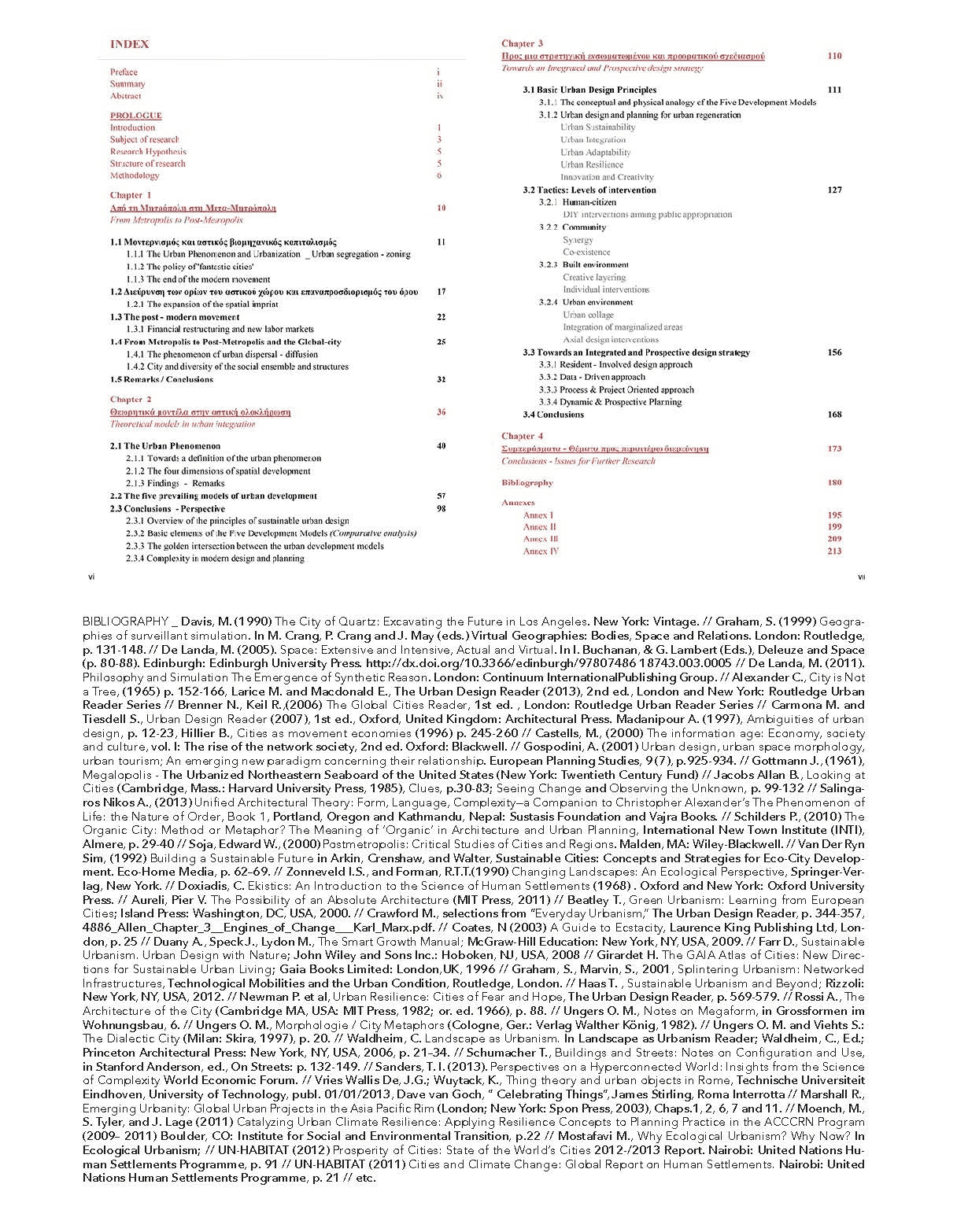
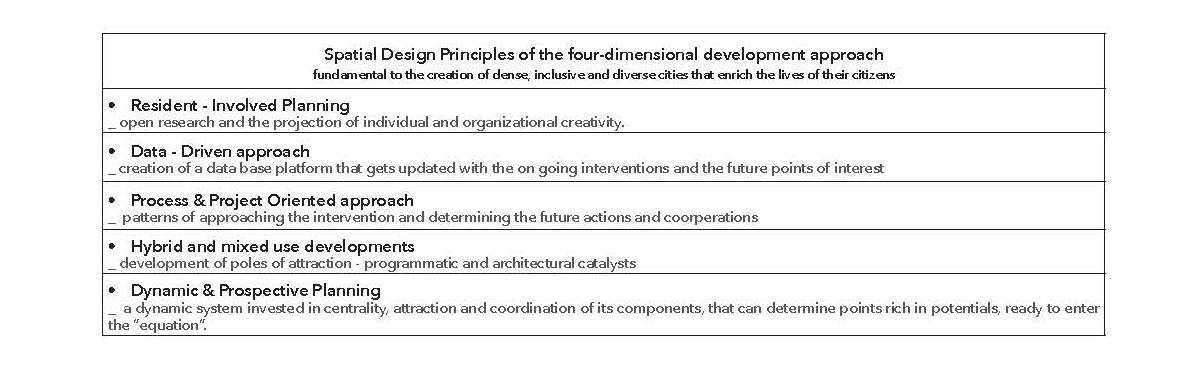
The project explores whether a dynamic reinterpretation and reappropriation of urban development models is possible. The proliferation of urban theories raises questions about conceptual overlaps, contradictions, and complementarities between different approaches to the city. Rather than treating these models as isolated categories, the research investigates how they can be understood as interconnected systems participating in broader processes of urban transformation and regeneration. Through comparative analysis, diagrammatic studies, and the reinterpretation of urban data related to growth, shrinkage, infrastructure, and spatial organization, the project develops a broader understanding of the urban phenomenon and its capacity to respond to evolving metropolitan conditions. The research ultimately proposes a synthetic and adaptive framework capable of integrating multiple urban principles into a more flexible strategy for contemporary urban development.
Final thoughts
Toward Adaptive and Prospective Urban Frameworks
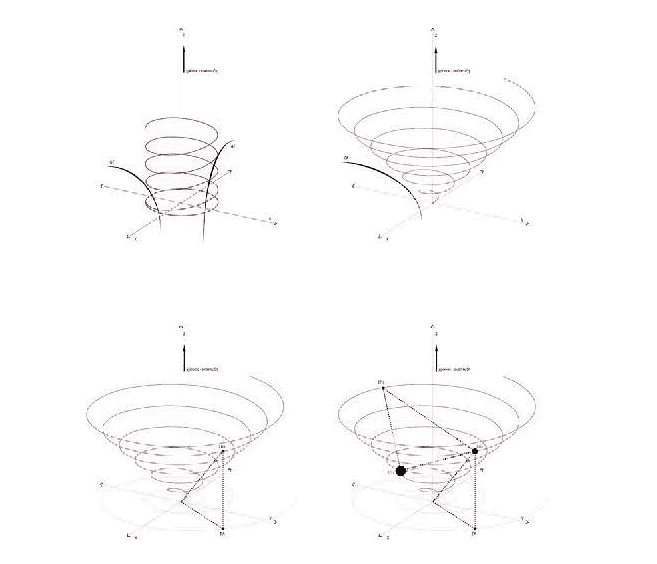
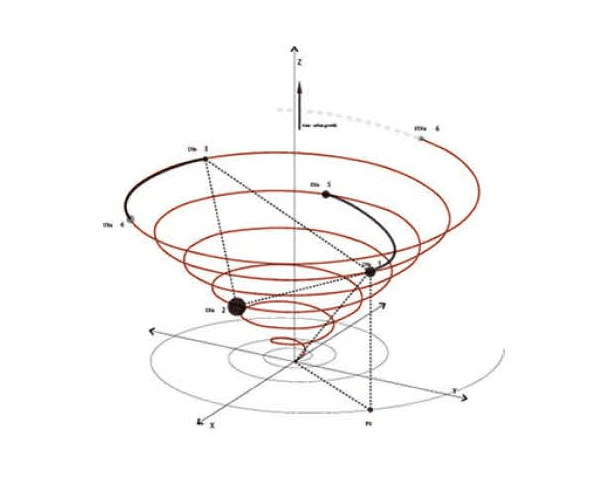
The Urban Phenomenon proposes an understanding of the city not as a fixed form or singular ideology, but as a continuously evolving system shaped by overlapping spatial, social, environmental, and infrastructural forces. By synthesizing historical theories, comparative urban models, and diagrammatic analysis, the research develops a more holistic interpretation of urban development centered on adaptability, resilience, and relational thinking. Ultimately, the project investigates how integrated and prospective design strategies can support future metropolitan environments capable of responding to complexity, uncertainty, and continuous transformation.

(03)
PROJECTS